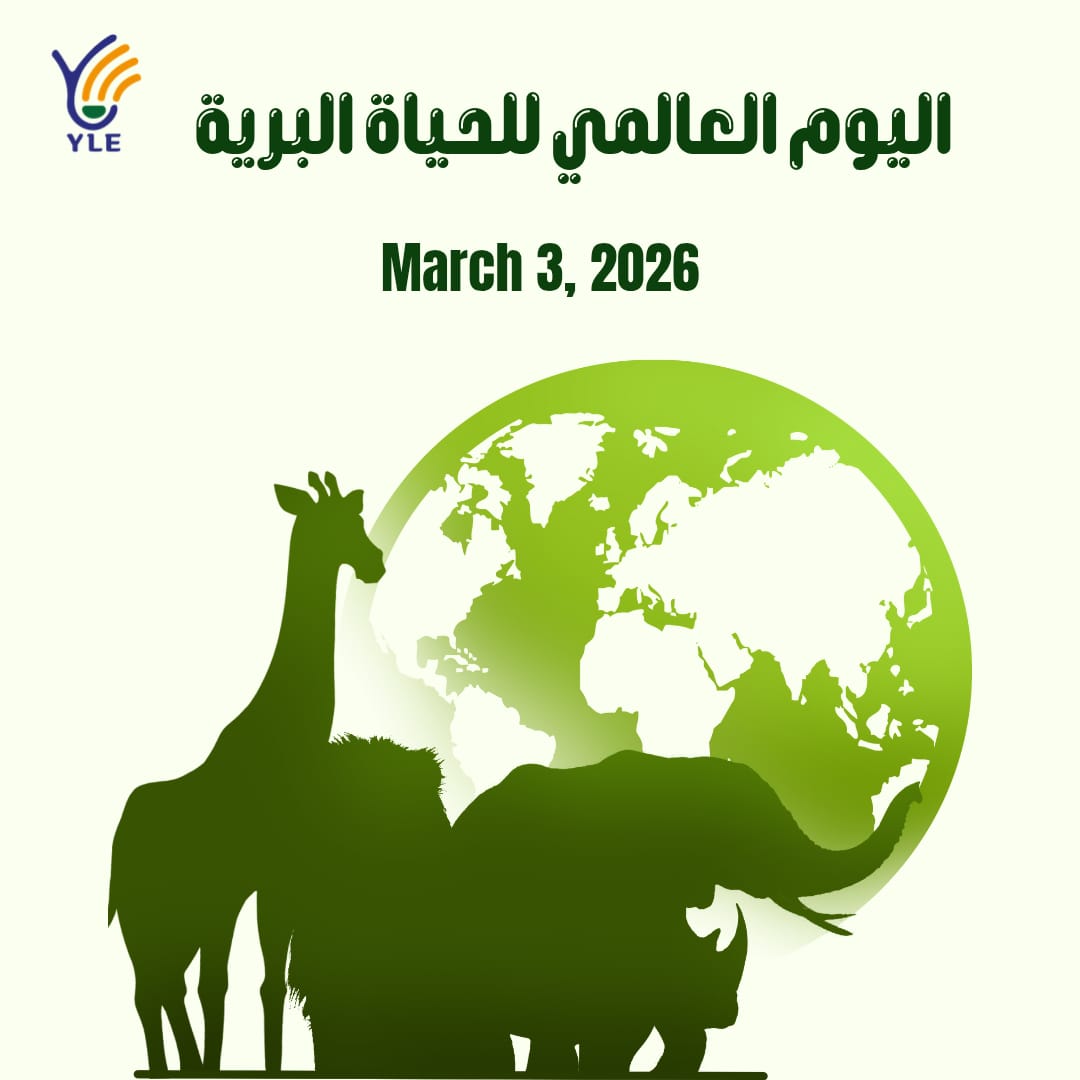
On World Wildlife Day, we must highlight a dark, often ignored reality: the "Silent Victims of War." Conflict doesn't just destroy cities; it leaves ecological scars that last for decades.
The Catastrophic Impacts:
Habitat Fragmentation: Military operations and heavy shelling destroy forests and coral reefs. This forces wildlife into unsuitable areas, isolating populations and reducing genetic diversity.
Persistent Toxins: Explosives and chemical weapons leak heavy metals (like lead and depleted uranium) into soil and water. Through Bioaccumulation, these toxins concentrate as they move up the food chain, eventually reaching humans.
Military Waste: Abandoned equipment and solid waste pollute pristine environments, obstructing natural wildlife movement.
Historical Fact: Armed conflicts are linked to a sharp decline in large mammals. During some African civil wars, certain nature reserves lost up to 90% of their megafauna.
True peace is the first requirement for a healthy planet. Protecting the environment during conflict is essential for the Earth’s recovery and the survival of all species after the war ends.